





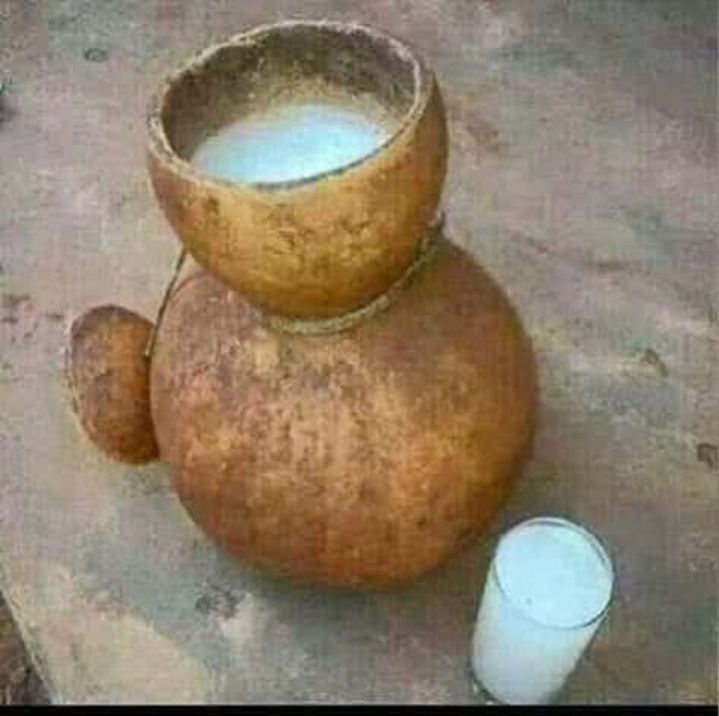
Palm Wine: A Timeless Drink Rooted in Culture and Health
Palm wine is a traditional alcoholic beverage made from the sap of palm trees such as oil palm and raffia. Consumed for generations across West and Central Africa, as well as parts of Asia and South America, the drink is not only valued for its taste but also for its cultural and nutritional significance.
Deep Cultural Roots
The production of palm wine dates back centuries. It is obtained by tapping the sap from palm trees, which begins to ferment naturally almost immediately due to the presence of wild yeast and bacteria.
Across countries like Nigeria, Ghana, and Cameroon, palm wine plays an essential role in social and cultural activities. Among ethnic groups such as the Igbo and Yoruba, it is a key feature at weddings, funerals, festivals, and other communal events. It is also used in traditional rites, including libation ceremonies, where it serves as an offering to ancestors.
Rich in Nutrients
Palm wine contains important nutrients, including potassium, magnesium, zinc, and iron. It is also a source of vitamins B and C, as well as amino acids that contribute to overall health.
Because it is naturally fermented, palm wine contains beneficial microorganisms that may support digestive health. In traditional medicine, it has been used to manage ailments such as fever, digestive problems, and malaria. It is also believed in some cultures to help boost milk production in nursing mothers.
Distinct Taste and Nature
Freshly tapped palm wine is sweet and non-alcoholic. However, it quickly ferments, becoming mildly alcoholic with an alcohol content of about 3 to 6 percent. As fermentation progresses, the drink develops a tangy flavor and a slightly yeasty aroma.
Typically milky white in appearance, palm wine varies depending on the type of palm tree it is sourced from. In Nigeria, it is commonly known as Mmanya Nkwụ or Nkwụ Enu.
Economic and Environmental Value
Palm wine production supports rural livelihoods, providing income for local tappers and traders. It remains an important part of the informal economy in many communities.
When harvested responsibly, palm wine is also environmentally sustainable. Proper tapping methods allow palm trees to regenerate, helping preserve biodiversity while maintaining a renewable source of income.
Overall, palm wine stands as more than just a drink—it is a symbol of tradition, community, and natural heritage.


