





By Chiemeka Ugwowo, Abuja
AI, misinformation threaten information integrity in Nigeria — Shehu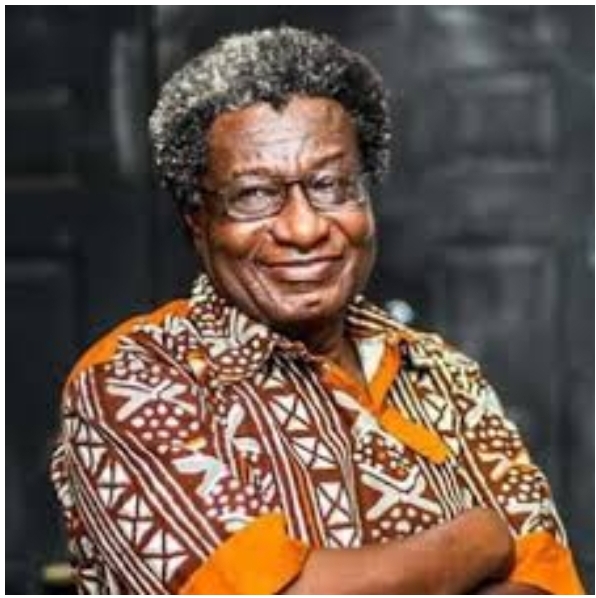
The Director of the International Institute of Journalism, Abuja, Dr Emman Usman Shehu, has called for stronger verification practices and greater transparency among Nigerian media organisations to safeguard information integrity in the digital age.
Shehu made the call in a paper titled, “Information Integrity in the Digital Age: Safeguarding Truth in an Era of Information Overload,” where he examined the growing challenges posed by misinformation, disinformation, artificial intelligence and the rapid spread of unverified information.
He said the increasing speed and volume of information had transformed news production and consumption, while digital platforms had weakened traditional editorial gatekeeping.
According to him, the pressure to break news first often creates a “speed-over-accuracy” situation, making it increasingly difficult for audiences to distinguish verified information from sensationalism, propaganda and deepfakes.
Shehu identified misinformation, disinformation and malinformation as major forms of information disorder confronting the media.
He explained that misinformation involved the unintentional sharing of false or misleading information, while disinformation referred to the deliberate creation and spread of falsehoods to deceive, manipulate or cause harm.
He described malinformation as genuine information that was taken out of context or deliberately reframed to cause harm.
The IIJ director said the problem had become particularly significant during elections, public health emergencies and security crises.
He cited Nigeria’s 2019 and 2023 election periods, when altered videos, fake polling information and forged press releases attributed to the Independent National Electoral Commission were reportedly used to influence public sentiment and undermine opponents.
He also noted that the COVID-19 pandemic exposed the dangers of health misinformation, as unverified remedies, false claims about vaccines and conspiracy theories circulated rapidly through platforms including WhatsApp.
According to Shehu, unverified and recycled graphic images circulated during security crises could also worsen tensions and contribute to reprisal violence before facts were established.
He attributed part of the problem to the growing competition among media organisations for digital traffic and social-media engagement.
Shehu said the pressure for page views could encourage sensational headlines, emotional framing and rapid publication at the expense of thorough fact-checking.
He further identified closed messaging platforms, particularly WhatsApp, as a major challenge because false information could circulate rapidly within trusted family, community and social networks without being easily detected by traditional newsrooms or fact-checkers.
The IIJ director warned that the increasing accessibility of generative AI had further complicated the verification process.
He said AI tools could produce convincing synthetic photographs, videos and cloned voices, making it necessary for journalists to acquire new technical skills and verification tools.
Shehu called on news organisations to establish dedicated verification desks and institutionalise open-source intelligence and digital verification procedures.
He recommended the routine use of reverse-image searches, geolocation analysis and metadata examination when dealing with questionable digital material.
He also advocated a “Slow News” approach during major security and political events, urging media organisations to clearly distinguish between confirmed information, unconfirmed reports and claims still undergoing verification.
Shehu urged media organisations to strengthen collaboration with fact-checking initiatives, citing FactCheckHub, Dubawa and the Nigeria Fact-Checking Coalition as examples of collaborative efforts against disinformation.
He also called for greater transparency in journalism, including explaining how information was verified, identifying sources and maintaining clear correction policies when errors occurred.
According to him, journalists should also take on a stronger media-literacy role by educating audiences about manipulation techniques and identifying emerging disinformation narratives before they become widespread.
He recommended that fact-checks and verified reports be translated into Nigerian languages, including Hausa, Yoruba, Igbo and Pidgin, and distributed through platforms such as radio, WhatsApp and TikTok to reach wider audiences.
Shehu further recommended mandatory digital verification and OSINT training for reporters, updated professional ethics covering AI and social-media curation, expanded community media-literacy programmes, and greater algorithmic transparency by technology platforms.
He said information integrity remained essential to an informed citizenry, democratic governance, political stability and social peace.
Shehu maintained that although digital platforms had accelerated the spread of unverified claims, journalists had the professional responsibility and tools to serve as reliable sources of verified information.
He stressed that prioritising verification, collaborative fact-checking, technical safeguards and transparency would help the media protect credibility and rebuild public trust.

