

A Look Beyond Politics and Into the Records of Hon. Dr. Pat Asadu
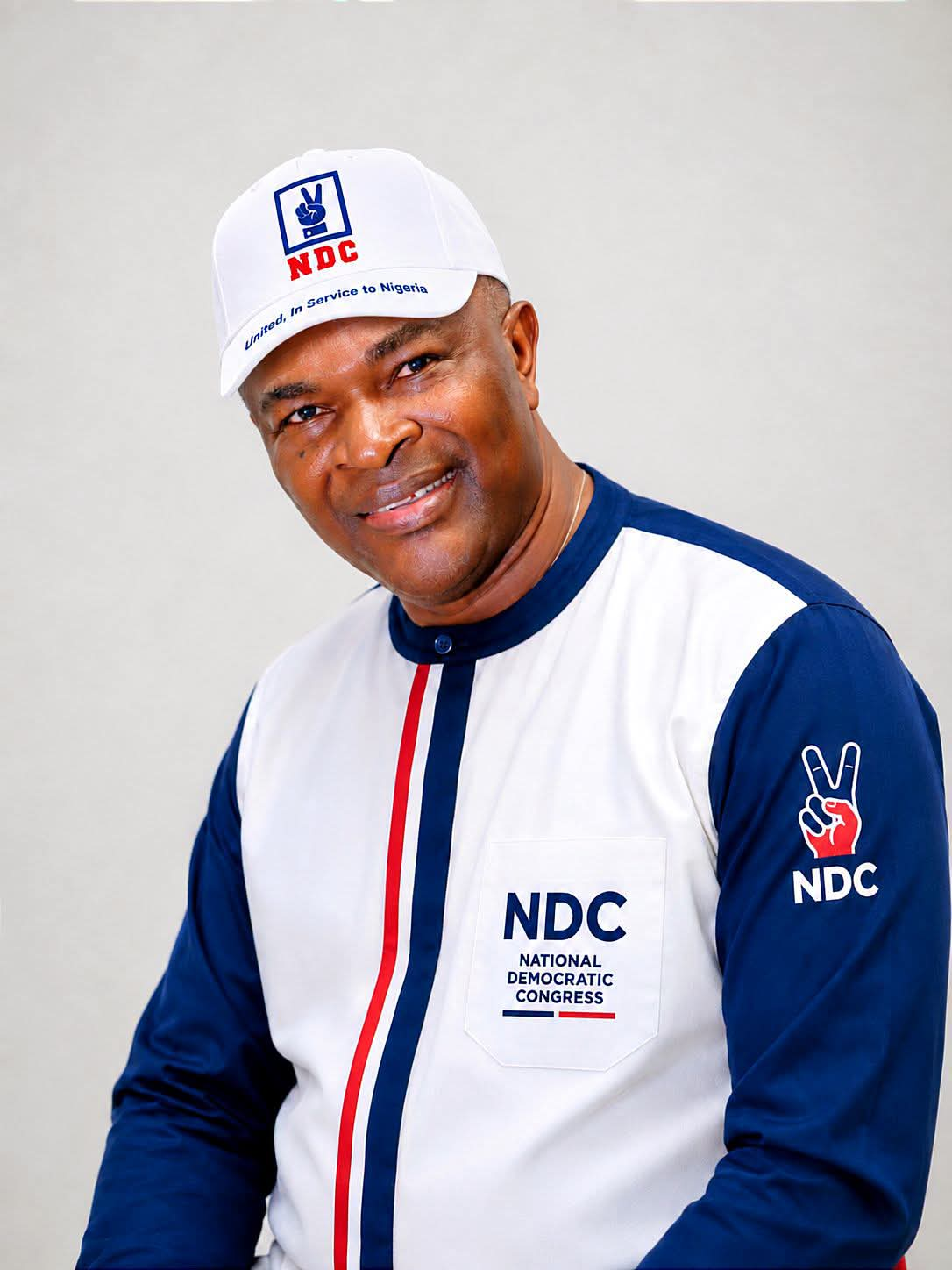
In Nigeria’s political space, public figures are often viewed through different lenses, shaped by supporters, critics and competing narratives.
However, beyond political debates and opinions lies an important question that deserves attention:
Who is Hon. Dr. Patrick Ozioko Asadu?
Hon. Dr. Pat Asadu is a medical doctor, former Enugu State Commissioner and former Member of the House of Representatives who represented the Nsukka/Igbo-Eze South Federal Constituency.
His journey in public service cuts across healthcare, governance, legislative responsibilities, constituency representation and community development.
As a medical practitioner, Dr. Asadu brought his professional background into his public service, with healthcare remaining a key part of his interventions. During his years as a representative, several medical outreaches and health-related programmes were documented as part of efforts to support his constituents.
Beyond healthcare, his legislative career placed him at the centre of national policy discussions. He served in key parliamentary roles and contributed to debates on issues including transportation infrastructure, ports, harbours and waterways.
Records from the National Assembly also indicate his involvement in legislative initiatives, including efforts towards establishing a forensic DNA database for Nigeria.
However, one of the most discussed aspects of his representation remains constituency development.
Across Nsukka and Igbo-Eze South Federal Constituency, various projects and interventions linked to his tenure include road construction, educational support programmes, healthcare initiatives,
agricultural empowerment schemes, skills acquisition programmes, water projects and other community infrastructure.
Some of these interventions have been highlighted through media reports and research publications.
Beyond official records, there is also the perspective of firsthand observation.
As a media professional who personally covered some of these projects, my team and I witnessed and documented several interventions, providing additional insight into the impact of those programmes on the communities where they were implemented.
The conversation around public leadership should therefore go beyond political slogans and sentiments. It should focus on measurable records.
What was promised?
What was delivered?
Where were the projects located?
Who benefited?
What impact did they create?
What areas require improvement?
For Hon. Dr. Pat Asadu, his years in public service provide a wide range of issues to examine—from legislative contributions and infrastructure development to healthcare, education, agriculture, youth empowerment and community advancement.
While opinions about any political figure may differ, public records remain an important tool for assessing leadership.
This is not about creating a new history.
It is about documenting the existing one.
As research continues, available records, project locations, legislative interventions and firsthand accounts will be examined to provide a clearer picture of Hon. Dr. Pat Asadu—the doctor, lawmaker, administrator and community representative.
In public leadership, history should not be shaped by noise.
Eze Patience Nnedinso
