

By Oluchi Jacinta Okorie
CBCN demands end to banditry, rejects Foreign Aids Bill
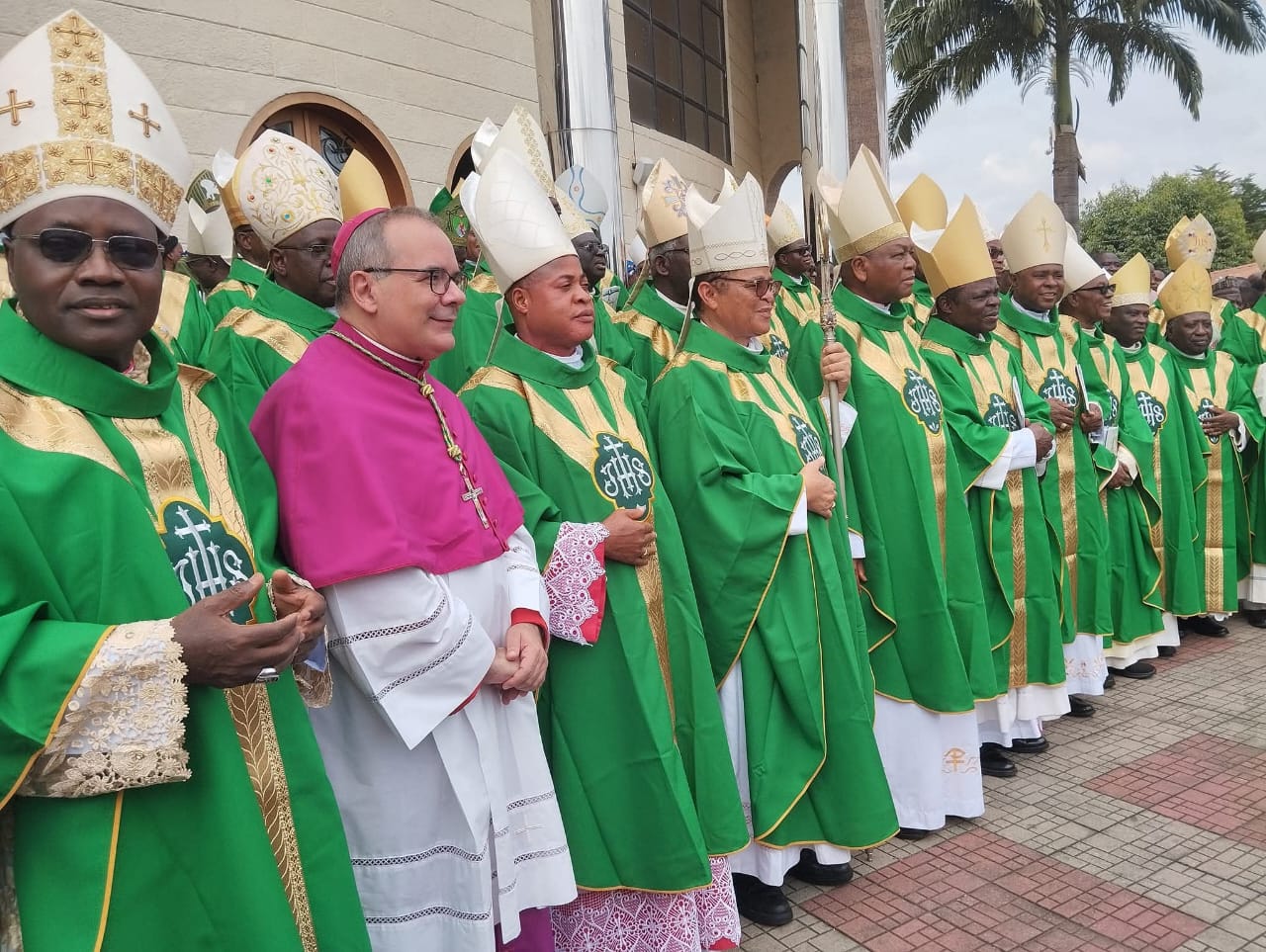
The Catholic Bishops’ Conference of Nigeria (CBCN) has demanded an immediate end to banditry and the recovery of vast portions of land occupied by criminal groups, while urging the National Assembly and Federal Government to halt moves to enact the proposed Foreign Aids (Regulation, Transparency and Disclosure) Bill 2026.
The bishops also called for intensified security operations, improved intelligence gathering and the return of millions of internally displaced persons (IDPs) to their ancestral homes.
The demands were contained in a communiqué issued at the end of the CBCN Second Plenary Meeting for 2026, held from September 10 to 18 at Our Lady and St. Kizito Pastoral Centre, Oke-Gada, Ede, Osun State.
The communiqué was signed by the CBCN President, Archbishop Matthew Man-Oso Ndagoso of Kaduna, and the Secretary, Bishop Peter Olukayode Odetoyinbo of Abeokuta.
The bishops said kidnapping, banditry, illegal mining and the theft of the nation’s natural resources continued to threaten citizens and undermine national unity.
They also expressed concern over attacks on schools and places of worship, including the abduction and killing of students and worshippers.
The CBCN urged government to strengthen security forces, deploy better intelligence and hold perpetrators accountable. It also called for the recovery of lands being used for criminal activities and their conversion to productive use.
The bishops said the government should intensify efforts to enable displaced communities to return home, while ensuring that migrants and refugees are treated with respect and have their basic rights and needs protected.
On the Foreign Aids Bill, the CBCN said the proposed legislation could adversely affect churches, mosques, schools and humanitarian organisations providing assistance to vulnerable and conflict-affected communities.
The bishops particularly objected to provisions that could allow authorities to deny registration or refuse renewal where an organisation’s activities are considered not to be in the “national interest.”
They argued that such provisions could give government officials excessive discretionary powers, create unnecessary bureaucracy and restrict civic space.
The CBCN therefore urged the National Assembly and Federal Government not to proceed with the bill, citing concerns over freedom of association, religion, thought and conscience.
On poverty, the bishops called on governments at all levels to create jobs, support local businesses and introduce economic policies that would reduce the hardship faced by Nigerians.
They also urged government to create an enabling environment for private-sector investment and economic growth.
The bishops further demanded increased investment in infrastructure, citing bad roads, erratic electricity and inadequate public utilities.
They specifically called for the provision of railway transportation across the country, alongside improved electricity, clean water and road networks.
Ahead of the 2027 general elections, the CBCN called on all stakeholders to work towards free, fair and credible elections.
The bishops urged eligible voters to participate in the elections and vote according to their consciences.
They also called on dioceses and parishes to conduct civic education and mobilisation, as well as end-of-month fasting and Rosary processions from October to December 2026.
The CBCN declared December 8, 2026, a special national day of prayer and fasting for the success of the 2027 elections.
The bishops also urged politicians and other stakeholders to exercise responsibility and ethical standards in deploying technology and Artificial Intelligence, particularly as the elections approach.
On human dignity, the CBCN reaffirmed its opposition to sexual and other forms of violence and abuse, urging Nigerians to respect the dignity of every person and protect vulnerable people.
The bishops also called on government to strengthen funding for education, saying quality education was essential to human development and peaceful coexistence.They urged Nigerians to work together to build a nation founded on respect for human life and dignity, moral principles and the common good
