

 FIFA crisis deepens as top adviser quits over controversial world cup commercial stake plan
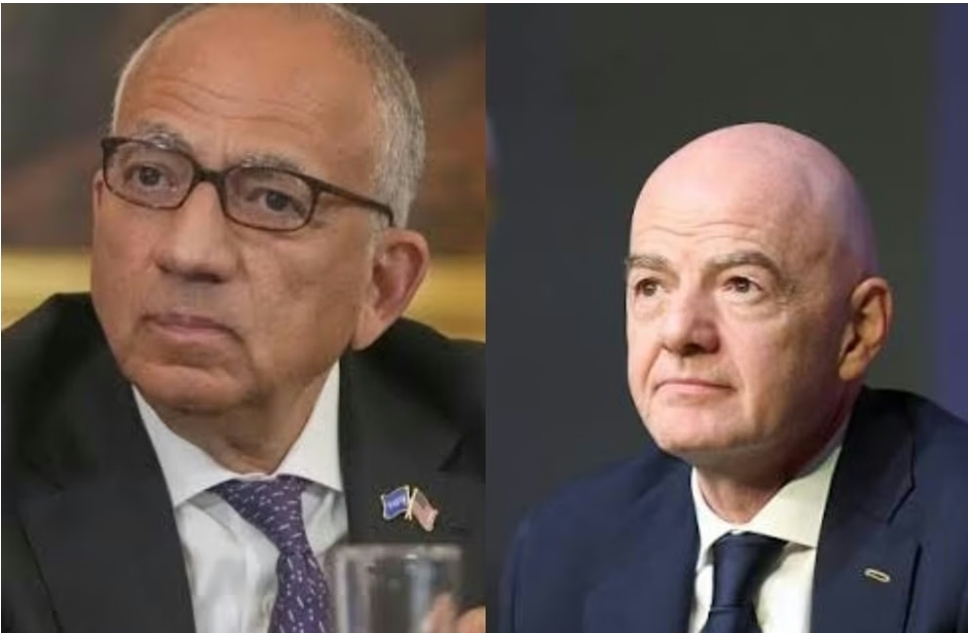
The growing controversy surrounding FIFA’s plan to restructure the commercial ownership of its flagship competitions has taken a new turn after Carlos Cordeiro, a senior adviser to FIFA President Gianni Infantino, resigned in protest against the proposal.
Cordeiro, a former president of the United States Soccer Federation (USSF) and a former investment banker, announced his resignation on Friday, saying he could not support any move that involved selling a stake in the commercial operations of the FIFA World Cup.
In a strongly worded statement, Cordeiro said he opposed the proposal because he believed it could undermine the interests of football’s governing structure and its member associations.
“As a senior advisor to the FIFA president, a former banker, and a lifelong football fan, I cannot stand by while FIFA considers selling a stake in the World Cup,” Cordeiro said.
He added that he had no involvement in the development of the proposal and wanted to make his position clear.
“I had no involvement in this proposal, and I oppose it unequivocally. It is a bad deal for FIFA’s member associations, a bad deal for football, and a bad deal for the long-term future of the game,” he stated.
Cordeiro’s resignation represents a major setback for FIFA President Gianni Infantino, who has been pushing efforts to expand the commercial potential of world football through new investment models.
The proposed FIFA Forward Enterprise (FFE) is expected to serve as a commercial subsidiary responsible for managing and expanding revenue streams linked to the World Cup and other major FIFA competitions.
FIFA has argued that the initiative is aimed at generating additional financial resources for its 211 member associations, allowing more countries and football federations to benefit from increased investment in the sport.
The world football governing body has repeatedly insisted that the proposal does not mean the sale of football itself or a transfer of control over the game’s administration.
“Nobody is selling football,” FIFA has maintained, stressing that sporting decisions, competition regulations and governance structures would remain under FIFA’s authority.
Despite FIFA’s assurances, the proposal has triggered widespread criticism from major football organisations and stakeholders who fear that private investment could influence the future direction of the sport.
UEFA, European football’s governing body, has emerged as one of the strongest opponents of the plan, with its 55 member associations reportedly threatening to boycott FIFA competitions if the proposal is implemented.
Other confederations have also expressed concerns. CONCACAF has rejected the idea, while the Asian Football Confederation has questioned whether the consultation process has been broad and transparent enough.
FIFA had earlier defended its approach, describing the consultation process as open and democratic, while promising to engage with member associations and stakeholders before any final decision is made.
However, Cordeiro’s departure has intensified the debate, raising fresh questions about FIFA’s commercial strategy and whether the proposed reforms could alter the balance between financial expansion and the traditional independence of football governance.
As opposition continues to grow, FIFA now faces increased pressure to address concerns from football leaders, national associations, and supporters who fear that the proposed changes could have lasting consequences for the global game.
